For many, owning a boat is the ultimate expression of freedom, a floating piece of the horizon. It is where memories are made, lines are cast, and worries are left in the wake. But just like a trusty steed or a classic car, this magnificent machine requires diligence, especially when it comes to safeguarding your investment.
You know you need marine insurance, but then you hit the requirement: “Professional Survey Required.”
Is it just bureaucratic red tape? Absolutely not. It is the most critical pre-voyage check for your vessel’s safety and your financial peace of mind.
The Gatekeeper of the Policy
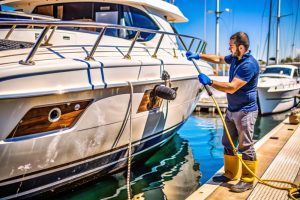
Think of a marine survey not as an annoying hurdle, but as the rigorous annual physical for your floating home. You wouldn’t buy a house without an inspection, and you certainly wouldn’t embark on a long journey without a medical clearance.
The core reason most insurers (especially when dealing with older vessels or high-value yachts) demand a professional survey is simple: they need to verify the actual risk they are insuring.
This skilled, impartial eye confirms a few vital things:
- Does the vessel meet current safety standards?
- Are there immediate, hidden risk factors?
- Has proper maintenance been performed?
If your boat is a vintage classic that has seen a few decades of salty service, or a high-performance cruiser pushing the limits of speed and complexity, the insurer needs reassurance that she is a ship, not a liability waiting to happen.
The Story of the Ghost in the Bilge
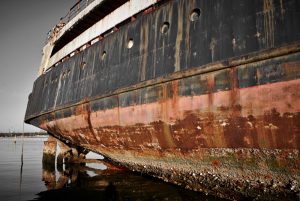
Imagine you are sailing smoothly on a perfect afternoon. Unbeknownst to you, there is a slow, sinister drip originating from a bronze through-hull fitting that has suffered decades of unseen electrolysis. This is the “Ghost in the Bilge,” a flaw that is invisible to the casual eye but holds the potential for catastrophe.
A thorough professional survey is designed to hunt down that ghost.
We often hear stories of surveys catching:
- A cracked mast step hidden under the cabin sole.
- A dangerously corroded exhaust hose just moments from catastrophic failure.
- Significant engine mounts that are compromised.
The survey protects you by identifying these latent defects before they turn a pleasant outing into an emergency salvage operation. It is a verification that your vessel is seaworthy (the fundamental premise of any marine insurance contract). By proactively identifying and addressing these hazards, the survey protects both you and the insurer from future massive claims.
Not a One-Time Check-Up
For many policies, especially those covering long voyages or aging vessels, the survey is not a one-and-done deal. Just as a doctor might require a recurring check-up for a patient with a chronic condition, many policies require periodic surveys to maintain coverage.
The sea is a harsh mistress, and wear and tear is inevitable. These routine inspections serve as your vessel’s “Report Card,” ensuring that the maintenance you are performing is keeping pace with the stresses of the marine environment.
The Takeaway: Check Your Policy
The question is not whether a survey is necessary; it is what kind of survey your policy requires. Do you need a Condition and Valuation (C&V) survey for renewal, or a more comprehensive Pre-Purchase survey for a new vessel?
Don’t wait until the renewal deadline is looming to find out. Always check your insurance requirements.
A professional survey is not just a cost; it is an investment in safety, longevity, and your ability to renew your coverage without a hitch. It is the peace of mind that allows you to confidently cast off the lines, knowing the ultimate check-up is complete.
Ready to secure or renew your marine policy? We can advise on the appropriate type of survey required for your vessel and connect you with certified professionals to ensure a seamless process.