When the unexpected happens at sea, whether it’s the sickening crunch of a collision, the shudder of a grounding, or a sudden failure of gear, your immediate concern is safety. Once the vessel is stable, the next crucial step is dealing with the aftermath, and that’s where the Damage Survey steps in.
This isn’t just an inspection; it’s a forensic investigation of a vessel’s misfortune.
From Crisis to Clarity
Imagine a scenario: You wake up to a sudden storm that pounds your moored boat. Later, you discover significant structural damage to the hull where another vessel broke loose and slammed into you. You know you have a claim, but where do you start?
You need a professional to separate the story from the facts.
A damage survey transforms chaos into a clear, documented record. It’s a specialized form of marine investigation that focuses exclusively on the fallout of an incident, be it an accident, collision, grounding, or a cargo incident.
The Surveyor as the Marine Detective
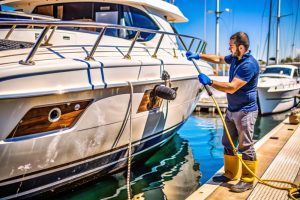
The independent damage surveyor takes on the role of a marine detective. Their job is meticulous, methodical, and essential for moving forward. They are tasked with answering four critical questions:
- Determine the Cause: What specifically led to the damage? Was it negligence, a failure of equipment, an Act of God (weather), or a combination of factors?
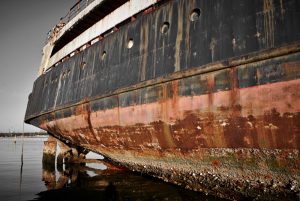
- Assess the Extent of Damage: They document every crack, scrape, buckle, and bend. This includes identifying not just the visible damage, but often affected areas that are hidden from view.
- Identify Affected Areas: Did the grounding stress the rudder stock? Did the engine ingest water after the bilge pump failed? The investigation looks beyond the primary point of impact.
- Estimate Repair Costs: Using industry knowledge and repair standards, they provide an objective, fair assessment of the financial cost required to return the vessel to its pre-incident condition.
The Compass for Claims and Liability
The resulting report is more than just a list of broken parts; it is a critical piece of evidence.
For insurance claims, the report provides the necessary, independent substantiation required by the insurer to process and pay your claim. For legal proceedings or liability determination (e.g., if you need to hold another party responsible for a collision), this report is the factual cornerstone. It gives the legal and financial teams the objective data they need to assign fault and financial responsibility.
Ensuring a Proper Restoration
The surveyor’s job doesn’t always end with the report. Sometimes, their oversight is required during the repair process itself.
Think of them as the quality control manager for the restoration of your vessel. They oversee repairs to ensure the work meets proper marine standards and that shortcuts aren’t taken. Critically, they also verify that the costs claimed are reasonable and necessary, safeguarding your interests and those of the insurer.
The damage survey is your advocate after a disaster. It is the definitive account of what happened, what broke, and what it will take to get you back on the water.
If you have recently experienced an incident, we can connect you with experienced, independent damage surveyors to begin the critical claims documentation process immediately.